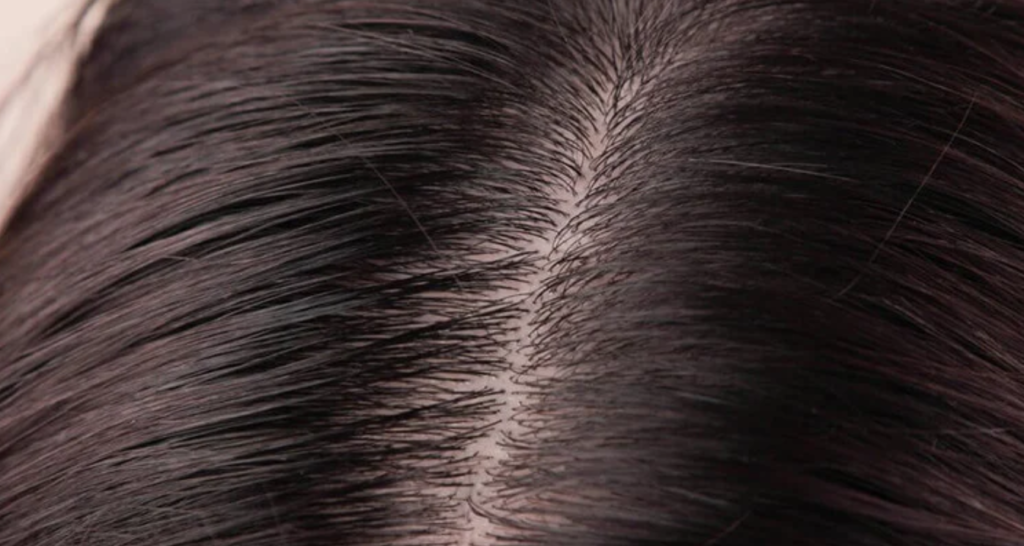
Hair growth does not begin in the strands you see — it starts beneath the scalp. While many people focus on shampoos, conditioners, and styling products, scientific research consistently shows that scalp health is one of the most critical factors influencing hair strength, thickness, and growth rate.
Understanding how the scalp functions helps explain why some hair routines work while others fail.
The Scalp as Living Skin
The scalp is an extension of facial skin, but with a much higher density of hair follicles and oil glands. Each follicle is responsible for producing a single hair strand through a complex biological cycle. When the scalp environment becomes inflamed, clogged, or imbalanced, hair production slows or weakens.
A healthy scalp maintains:
- Balanced oil production
- Proper blood circulation
- Low inflammation
- Clean follicle openings
When these conditions are disrupted, hair growth efficiency declines.
Hair Growth Cycle Explained
Hair grows in three main phases:
- Anagen (growth phase): Lasts 2–7 years
- Catagen (transition phase): Lasts a few weeks
- Telogen (resting phase): Lasts around 3 months
Scalp inflammation, poor circulation, or nutrient deficiency can shorten the anagen phase, leading to thinner hair and increased shedding.
Common Scalp Issues That Affect Growth
Several scalp conditions interfere with healthy hair development:
- Sebum buildup: Excess oil traps dirt and blocks follicles
- Dandruff: Often linked to yeast overgrowth and inflammation
- Dry scalp: Weakens the skin barrier and irritates follicles
- Product residue: Silicone and heavy styling products suffocate follicles
Ignoring these issues allows chronic stress on hair follicles to develop over time.
Blood Flow and Follicle Nutrition
Hair follicles rely on blood vessels to deliver oxygen and nutrients. Poor circulation means follicles receive fewer growth signals.
Evidence-based practices that improve scalp circulation include:
- Gentle daily scalp massage
- Regular physical activity
- Avoiding overly tight hairstyles
Mechanical stimulation alone cannot cure hair loss, but it significantly supports follicle vitality.
Scalp Exfoliation and Follicle Access
Just like facial skin, the scalp accumulates dead skin cells. Without exfoliation, these layers restrict hair from growing freely.
Chemical exfoliants such as salicylic acid or mild fruit enzymes are often more effective and less abrasive than physical scrubs. Used once weekly, exfoliation improves:
- Follicle oxygenation
- Product absorption
- Oil balance
Over-exfoliation, however, can cause irritation, so moderation is essential.
Microbiome Balance on the Scalp
The scalp hosts a natural ecosystem of bacteria and fungi. When balanced, this microbiome protects the skin. When disrupted, inflammation and dandruff increase.
Gentle cleansers, limited overwashing, and avoiding harsh sulfates help maintain microbial balance.
Final Insight
Healthy hair cannot exist without a healthy scalp. By prioritizing scalp hygiene, circulation, and inflammation control, hair growth potential improves naturally. Scalp care is not a trend — it is foundational biology.